Property Renovation Hull: The Complete Home Improvement Inspiration Guide
Hull has a property story that is different from many other parts of the UK. Streets can change character within a few minutes’ drive. One row might be full of sturdy Victorian terraces with generous ceiling heights and tired back additions, while the next has post-war semis, modern infill homes, or ex-rental flats that need careful updating rather than flashy overhauls. That mix is exactly why renovating here can be rewarding. It is also why a smart plan matters.
The best home improvements in Hull are rarely the loudest ones. They are the projects that make a cold house warmer, a dark kitchen brighter, a dated bathroom easier to clean, or a cramped layout more useful for real family life. Good renovation is not just decoration. It is the practical craft of improving how a home performs, feels, and holds its value over time.
Anyone exploring Property Renovation Hull projects soon discovers the same truth. Inspiration helps, but judgment saves money. It is easy to fall for showroom finishes and social media photos. It is harder, and far more important, to decide whether the old floor needs levelling before the new tiles go down, whether the electrics should be updated before a wall comes out, or whether a patch repair will buy another five years from a roof that does not yet justify full replacement.
What Hull homeowners are really renovating for
Most renovation work begins with one of four motives. The first is comfort. Homes that feel draughty, damp, badly lit, or awkwardly arranged wear people down faster than they expect. The second is maintenance. Soffits rot, pointing fails, gutters leak, and old kitchens finally reach the point where another repair stops making sense. The third is value, especially for owners preparing to sell or landlords trying to protect yield. The fourth is lifestyle, which often starts with a sentence like, “We can make this work if we just open up that wall.”
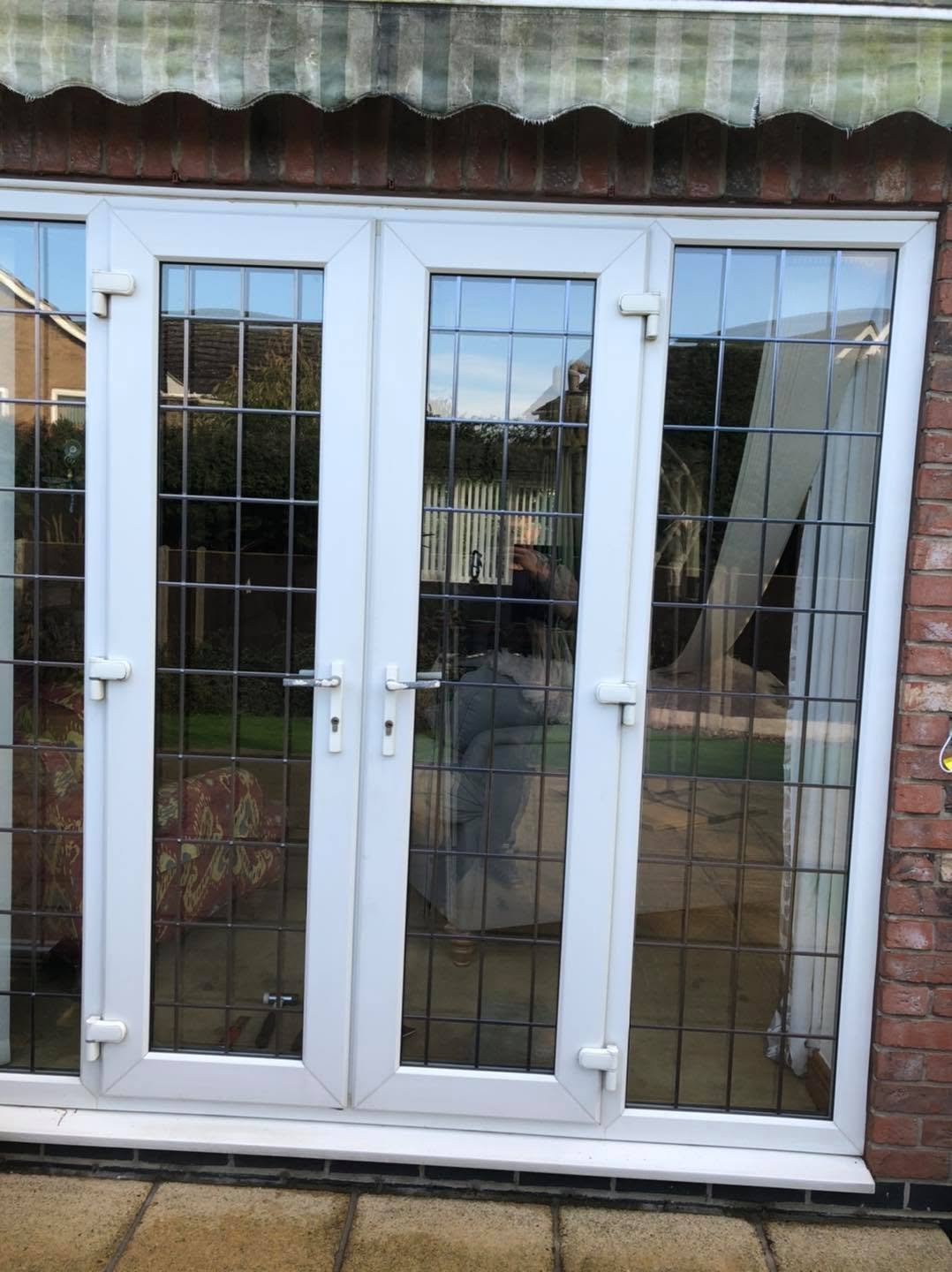
In Hull, those reasons often overlap. A homeowner starts with the idea of a kitchen refresh and ends up tackling plaster, electrics, insulation, and French doors because once work begins, the house reveals what it actually needs. That is not mission creep in every case. Sometimes it is simply seeing the property honestly for the first time in years.
I have seen plenty of projects where the intended cosmetic upgrade was the least important part. One family wanted new flooring throughout the ground floor. Once the old coverings came up, it was obvious the subfloor had movement in two areas and damp history near the rear wall. Had they pressed on with the finish-first approach, the expensive floor would have looked poor within months. Instead, they paused, corrected the structure, improved ventilation, and then completed the visible work. The house looked better, but more importantly it behaved better.
The houses that shape renovation decisions in Hull
Renovation choices should suit the building in front of you, not an idealised version of it. Hull’s housing stock asks for that kind of realism.
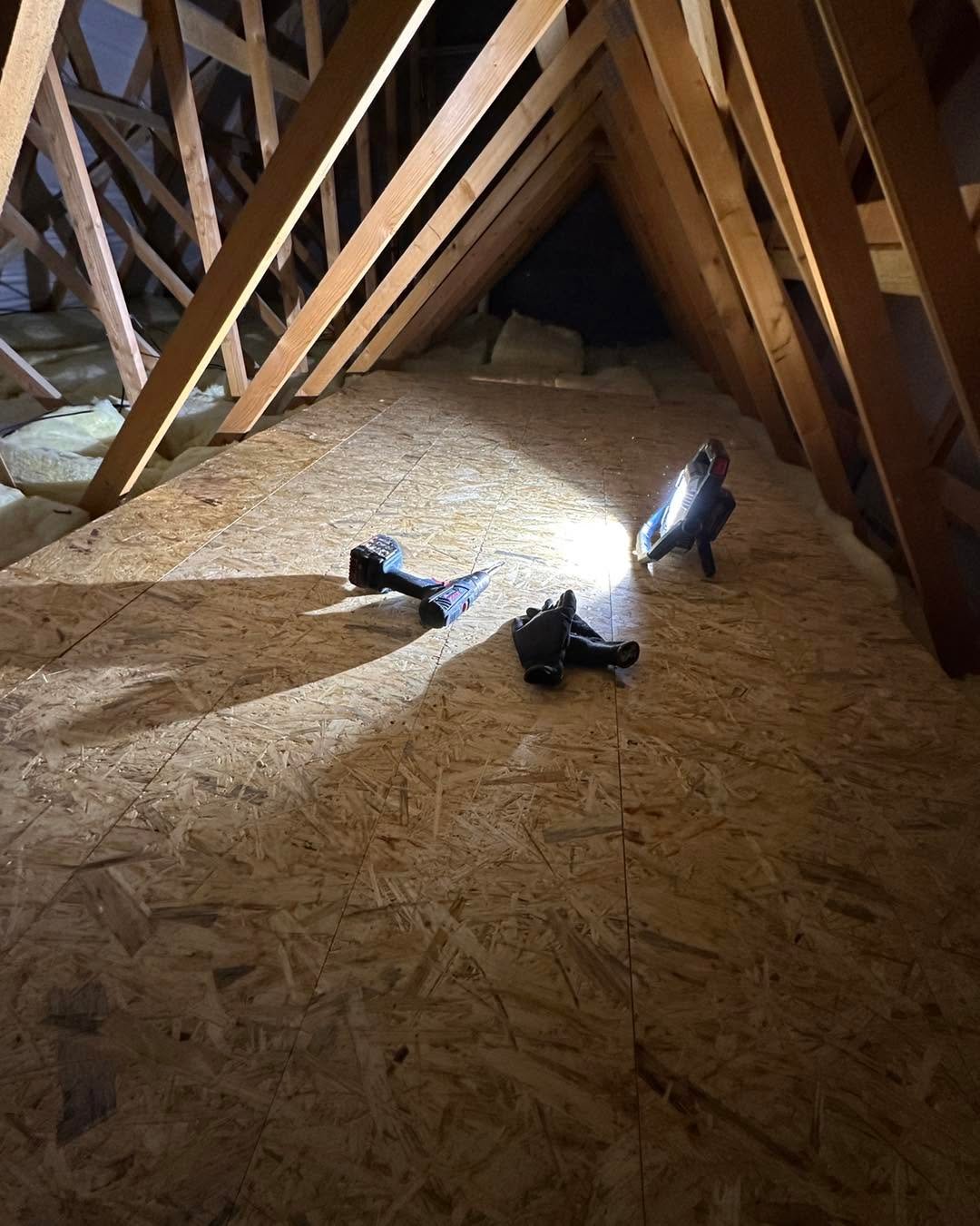
Older terraces often come with solid walls, older chimney breasts, and room proportions that make storage awkward. They can be full of charm, but they also need respect. Breathability matters. Heavy-handed waterproofing or the wrong plaster can trap moisture and create a bigger problem than the one it was meant to solve.
Mid-century homes may be structurally straightforward yet energy inefficient. These are often the houses where sensible upgrades, loft insulation, glazing improvements, heating controls, and layout tweaks deliver strong returns in daily comfort.
Newer homes have their own renovation pattern. They may not need major structural work, but owners often want more personality, better fitted storage, upgraded kitchens, or a garden room that gives the property flexibility. In those homes, finish quality matters because the basics are usually already in place.
Flats and investment properties create a different calculation again. Durability, compliance, and ease of maintenance tend to matter more than bespoke detail. That is where reliable Property Maintenance HUll services become just as important as major renovation work. A sensible landlord will often get more long-term value from robust flooring, moisture-resistant finishes, and easy-access service points than from premium decorative touches that wear quickly under tenant turnover.
Where to spend first if the budget is not endless
Almost nobody has an unlimited budget. Renovation is a sequence of decisions, and the order matters. If funds are tight, start with the work that protects the building and supports everything else.
- Structural stability, roof condition, damp causes, drainage, and electrical safety should come before decorative upgrades.
- Kitchens and bathrooms usually justify strong investment because they affect daily life and buyer perception, but only after the unseen basics are sound.
- Heating efficiency, insulation, and ventilation often pay back through comfort rather than quick resale value, yet they are some of the wisest improvements in Hull’s climate.
- Storage, lighting, and layout changes can transform a home for less money than many people spend on premium finishes.
- External repairs often get postponed, but fascias, brickwork, render cracks, and failing seals rarely improve by waiting.
That order is not glamorous, but it reflects how successful projects usually unfold. A house with a beautiful kitchen and a neglected roof is not renovated well. It is dressed up.
Kitchens that work hard, not just look expensive
If there is one room where aspiration often runs ahead of practicality, it is the kitchen. Homeowners walk into showrooms and focus on door styles, worktops, and taps. Those are the final layer. The deeper renovation questions are about light, flow, power, and storage.
A good kitchen in a Hull home often solves several problems at once. It might borrow space from a lean-to extension, improve the garden connection with wider glazing, include a breakfast run for children doing homework, or add integrated utility functions to free up another room. Sometimes the best result comes from less demolition than expected. Removing one wall is not automatically better than widening an opening and keeping useful structure for zoning.
Think carefully about how you move through the room. Can two people use it without colliding? Is there enough landing space next to the oven and fridge? Are sockets placed where appliances actually live? Is there task lighting over prep zones, rather than one central fitting trying to do the work of five?
One practical lesson from many kitchen renovations is that durable mid-range materials often outperform luxury choices used badly. A well-fitted laminate worktop with crisp joints and sensible edge protection can serve a busy family better than a fragile statement surface chosen for photographs. The same goes for cabinetry. Good carcasses, proper fitting, and drawers where you need them will matter more in year seven than the fact that the door colour matched a trend forecast.
Bathrooms that solve hidden problems
Bathrooms are often renovated for style, but they should be approached like technical spaces. Moisture, extraction, falls to waste pipes, tanking in wet areas, and access to services deserve close attention. A bathroom can look spotless on handover day and still be one of the worst-renovated rooms in the house if these basics are ignored.
In older homes, it is common to discover uneven walls, dated pipe runs, weak extraction, or patchy flooring below the existing suite. This is why a bathroom budget should always carry contingency. Tiling, for example, is rarely just tiling. Once the walls are stripped, preparation becomes the real job.
For smaller Hull properties, a well-designed bathroom can improve daily life far more than an oversized kitchen island ever will. Wall-hung sanitaryware can make cleaning easier and visually open the room. Recessed storage keeps surfaces calmer. Better lighting around the mirror matters more than many expect, especially in homes with limited natural daylight.
If there is one mistake worth avoiding, it is overfilling a small bathroom with features. A compact room does not need every showroom idea squeezed into it. It needs clear movement, easy cleaning, and materials that cope with steam and regular use.
Extensions, knock-throughs, and the promise of more space
For many households, renovation becomes serious when the question of space arises. Move or improve? In Hull, where property values vary widely by area and street, the answer is not always obvious. A thoughtful extension or knock-through can make excellent sense, but only when the new space genuinely adds function.
Rear extensions are popular because they often unlock the kitchen-diner lifestyle people want. Yet the strongest designs avoid turning the original part of the house into a dark corridor. Rooflights, internal glazing, and careful ceiling design can make the old and new parts feel connected rather than stitched together.
Knocking through can be transformative, but it should never be treated as simple wall removal. Structural calculations, load paths, temporary support, and making good are part of the reality. So is acoustics. Open-plan living sounds attractive until someone is on a work call while a washing machine spins and a pan rattles on the hob. The answer is not to reject open layouts, but to create zones within them.
I have seen some of the best results come from semi-open arrangements. Wider openings, glazed dividers, pocket doors, and retained nib walls can preserve light and flow without sacrificing every ounce of separation. Good renovation is often about nuance, not maximalism.
The exterior matters more than people think
Street appeal is not trivial. The outside of a property tells you a great deal about what may be happening inside. Cracked render, stained masonry, slipped slates, and neglected joinery are not just cosmetic issues. They are maintenance signals.
Exterior renovation in Hull often involves the sort of work owners postpone because it does not photograph well. Repointing, roofline repairs, guttering, drainage checks, and sealant renewal can feel less satisfying than new flooring or fitted wardrobes. Yet these jobs protect the whole investment. Water ingress is patient. It does not need a dramatic failure to cause damage.
Front doors, porches, pathways, and boundary walls also deserve attention. They shape first impressions and daily use. A secure, properly fitted front door improves warmth, security, and appearance at once. Better path lighting can reduce winter slips and make the home feel cared for. These are not luxury upgrades. They are quality-of-life improvements.
Garden work sits in a similar category. Not every home needs a full landscape redesign, but many benefit from a more usable outdoor space. Level surfaces, drainage, durable paving, and practical planting usually age better than overstyled schemes that are expensive to maintain.
Why maintenance is part of renovation, not separate from it
A lot of people mentally divide grand renovation from ordinary CHM Yorkshire Ltd Carpenter Hull upkeep. In reality, the two are intertwined. Good Property Maintenance HUll work protects and extends the life of every bigger improvement you make.
Redecorating a room without solving the cause of a recurring crack is wasted effort. Replacing windows while ignoring surrounding failed masonry is incomplete work. Installing a new bathroom without planning future access to critical pipework creates the next headache.
A well-run property improvement plan usually mixes capital projects with ongoing maintenance. That approach spreads cost, reduces emergency callouts, and prevents the stop-start cycle many owners fall into. The house is not either “under renovation” or “finished.” It is always being managed.
This is especially important for landlords and owners of older properties. Deferred maintenance often looks cheaper right up until the point it is not. A modest repair this season can prevent a major replacement next year. The numbers are rarely exact, but the principle holds across roofing, plumbing, external timber, sealants, and drainage.
Choosing the right general contractor in Hull
The quality of your renovation often depends less on the design idea and more on who is trusted to execute it. A dependable General Contractor brings sequencing, communication, and accountability. That matters on a one-room refurbishment and matters even more on whole-house work.
The strongest contractors are not always the ones who promise the fastest finish or the lowest number. They are the ones who ask sharp questions early, explain what sits inside the quote, flag risk areas before demolition starts, and keep standards consistent when the project gets messy. Renovation always gets messy at some stage.
Here are a few signs that you are dealing with a professional outfit rather than a sales operation:
- They talk openly about what might be uncovered once work begins and how variations are handled.
- They can describe the order of works clearly, from strip-out to first fix to final finishes.
- They are comfortable discussing building control, structural input, and the practical limits of your budget.
- They do not rush you past details like waste removal, making good, access, and protection of occupied areas.
- Their previous work sounds lived in and realistic, not just perfect in photographs.
One of the clearest green flags is honesty about compromises. A seasoned contractor will tell you when a requested detail is likely to fail, look awkward, or cost more than it returns. That is not negativity. It is judgment, and it saves clients from expensive disappointment.
Budgeting without fooling yourself
Renovation budgets are often built around visible items because those are easiest to price mentally. People know roughly what tiles cost, or what they paid for a friend’s kitchen. They forget preparation, waste, labour, temporary works, delivery access, specialist trades, and remedial surprises.
A realistic budget has three layers. The first is the planned specification. The second is contingency, often essential in older homes. The third is the upgrades that become tempting once the project is underway. Keeping those layers separate helps owners make clearer decisions. Otherwise every variation feels accidental.
For many Hull homes, contingency is not optional. Even a relatively straightforward project can uncover decayed lintels, damaged plaster, outdated wiring, poor past repairs, or hidden pipework issues. Not every project will hit a worst-case scenario, but enough do that planning for it is simply prudent.
It is also worth thinking beyond installation cost. Ask what the improvement will cost to heat, clean, maintain, or repair five years from now. Cheap finishes can become expensive if they fail early. Premium finishes can also be poor value if they demand special treatment the household will never realistically keep up with.
Living through the work
A renovation plan on paper is one thing. Living through it is another. Dust moves farther than expected. Noise starts earlier than you would like. Rooms become storage for other rooms. Deliveries arrive when roads are busiest. The glamorous phase is usually brief.
If you are staying in the property during work, planning the lived experience is crucial. Temporary kitchen arrangements, bathroom access, child safety, pet routines, and secure storage for possessions all matter. Even small projects become harder when these basics are improvised.
Phasing can help. Sometimes it is worth completing the messy envelope and first-fix work in one push, then pausing before decorative phases. In other cases, keeping one bathroom or one habitable room fully functional throughout the job is more valuable than shaving a week off the programme.
Communication helps more than people expect. A good contractor who updates regularly can reduce stress considerably. Owners do not need a daily lecture, but they do need to know what is happening, what has changed, and what decisions are due next.
Renovating for value without making the home generic
There is a difference between broad appeal and blandness. If you are renovating with resale in mind, the aim is not to strip out all character. It is to remove the elements that make the house feel neglected, awkward, or risky to buyers.
Neutral does not have to mean lifeless. Clean lines, good flooring, modern lighting, updated joinery, and a coherent colour scheme can still leave space for period detail or local character. Original doors, fireplaces, ceiling roses, and brick features can add value when restored well and balanced against practical updates.
The market also notices quality in quiet ways. Buyers may not know the exact spec of the insulation or extract system, but they notice when a house feels dry, warm, bright, and solid underfoot. They notice doors that close properly, windows that operate smoothly, and bathrooms that do not smell damp. These are renovation wins that do not need a label.
The best inspiration usually starts with the way you live
Design ideas are useful, but the strongest renovation briefs often come from irritation. Where do bags pile up? Where does the morning bottleneck happen? Which room is avoided in winter? Where do guests always end up standing because there is nowhere sensible to sit? Those frustrations are better design prompts than any trend board.
A successful Property Renovation Hull project should answer the real habits of the household. A family with young children may need resilient materials, generous storage, and line of sight across living areas. A retired couple may prioritise accessibility, low maintenance, and better natural light. A landlord may need robust finishes and efficient turnaround. A professional working from home may need acoustic separation more than extra square footage.
That is where experience pays off. Renovation is not only about what can be changed. It is about what should be changed, what can be left alone, and what deserves doing properly once rather than patching repeatedly.
The homes that improve best in Hull are not always the biggest or most expensive. They are the ones where owners understand the building, respect the order of work, and choose people who care about substance as much as surface. When that happens, even modest projects can completely change how a property feels. A once-cold back room becomes the favourite place in the house. A gloomy galley kitchen becomes the centre of family life. A tired rental becomes reliable, efficient, and easier to manage. That is the real promise of renovation, not perfection, but a home that finally works the way it should.
CHM Yorkshire Ltd
Hull
HU9 5BU
Tel: 01482 455159
Website: https://www.chmyorkshireltd.co.uk